
Our Articles
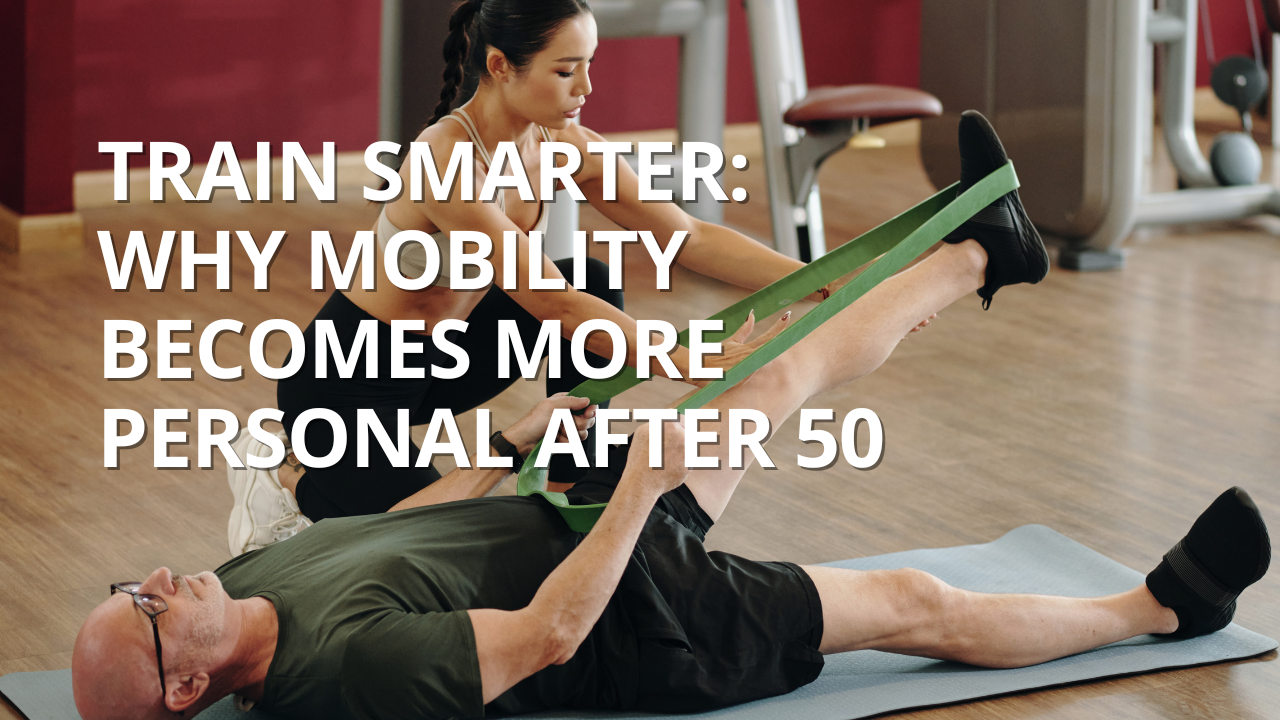
Train Smarter: Why Mobility Becomes More Personal After 50
Mobility is often spoken about as though everyone needs the same thing. In reality, that is rarely the case — especially after 50. Two people of the same age can have very different movement patterns, different sporting backgrounds, and different restrictions. One person may need better hip rotation for golf, while another may need more shoulder movement for swimming or tennis. This is why mobility becomes more personal with age.
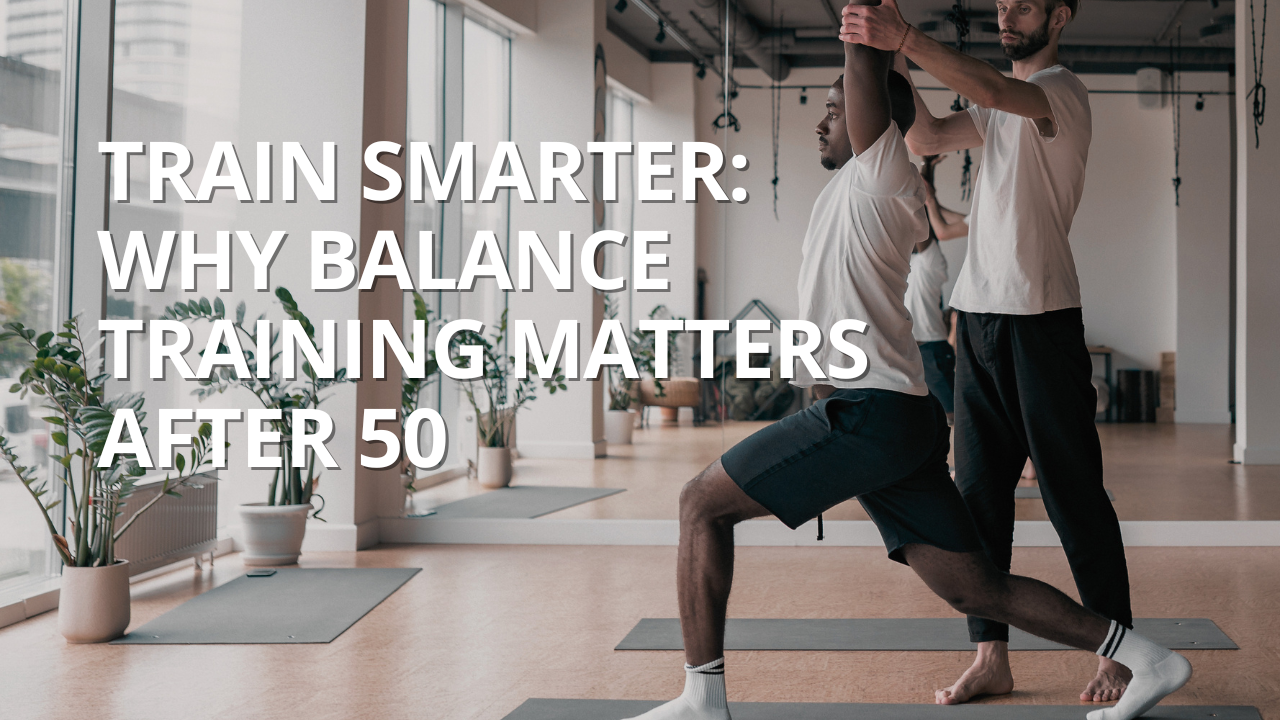
Train Smarter: Why Balance Training Matters After 50
Balance is easy to overlook when things are going well. But after 50, it becomes one of the most useful physical qualities to maintain. For active adults, balance affects how well you move, how efficiently you change direction, and how confidently you handle the demands of sport and daily life.
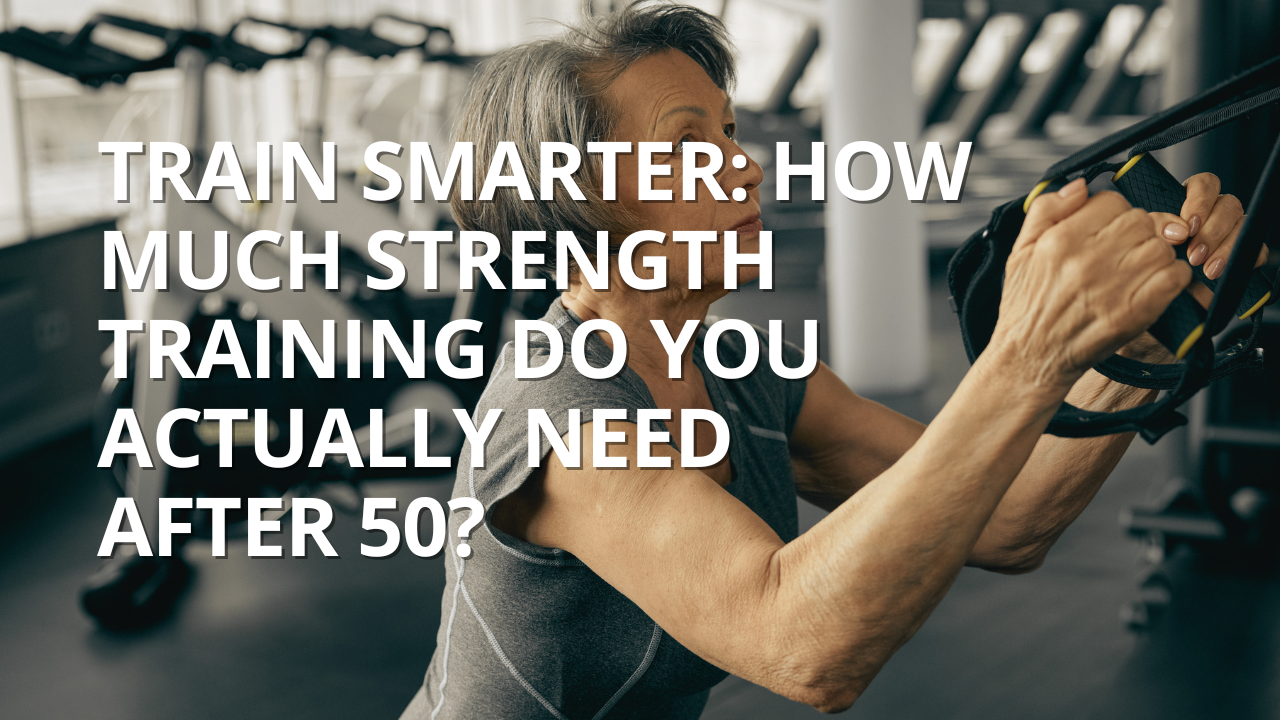
Train Smarter: How Much Strength Training Do You Actually Need After 50?
For many adults over 50, the assumption is that staying active through golf, tennis, swimming, walking, or general movement should be enough. While those activities are all valuable, strength training adds something different: it helps preserve muscle, support joints, and maintain the physical capacity needed to keep enjoying those other activities for years to come.
Train Smarter: Recovery Strategies That Actually Work After 50
A proper warm-up becomes increasingly valuable with age. After 50, joints may feel a little stiffer and muscles may take slightly longer to feel ready. A structured warm-up helps you move more freely, react confidently, and perform at your best, whether you’re heading out for golf, tennis, or a gym session.

Train Smarter: How to Warm Up Properly After 50
After 50, joints may feel a little stiffer and muscles may take slightly longer to feel ready. A structured warm-up helps you move more freely, react confidently, and perform at your best, whether you’re heading out for golf, tennis, or a gym session.
Train Smarter: Are You Losing Muscle Without Realising It?
After the age of 50, most people begin to lose muscle, not because they stop moving entirely, but because everyday activities simply aren’t enough to maintain strength.

Train Smarter: Are You Actually Training Your Core?
When most people think of core training, they picture crunches, sit-ups, or maybe a few planks thrown in at the end of a workout. But your core is far more than just “abs”, and the way you train it should reflect that.
Train Smarter: Strength Training Myths That Hold People Back (Especially After 50)
Strength training is one of the most valuable tools for maintaining health, independence, and performance after 50 — yet many people still hesitate to include it in their weekly routine. Strength training plays a quiet but essential role in helping you move better, feel stronger, and prevent injury.

Train Smarter: Why Power Training Isn’t Just for Athletes
From climbing stairs to improving your golf swing or staying agile on the badminton court, power is essential for living well and moving confidently. This article explains what power training is, why it matters after 50, and how to include it safely in your weekly routine, even
Train Smarter: Mobility vs Flexibility - What’s the Difference and Why It Matters
Mobility and flexibility are often used interchangeably, but they’re not the same. Understanding the difference can help you move better, feel better, and train more effectively, especially as you get older. Whether you’re golfing, swimming, or just want to stay mobile and pain-free, knowing which one to focus on and when can make all the difference.
Train Smarter: How to Structure Your Weekly Training for Results (50+ Edition)
If you’re 50 or older and want to stay active, strong, and injury-free for the long term, how you structure your weekly training matters more than ever. Many of us at this stage of life are already playing sports like golf, tennis, pickleball, or swimming, but without a balanced weekly plan that supports joint health, mobility, and recovery, even recreational activity can lead to stiffness, setbacks, or overuse injuries.

Train Smarter: Why Movement Quality Beats Intensity
Movement quality refers to how well your body performs basic movement patterns like squats, lunges, pushes, pulls, hinges, and rotations. It’s not just about strength — it’s about joint mobility, motor control, alignment, and coordination.